HarvestPlus and its partners fight hidden hunger worldwide by scaling staple food crops that are bred to be rich in essential vitamins and minerals. As a result of these efforts, over 651 million people are eating nutritious biofortified crops.
These biofortified, climate-smart crops sustainably improve the health and livelihoods of smallholder farming households and low-income consumers. Working across CGIAR as part of the International Food Policy Research Institute (IFPRI), we are helping to make food systems more nutritious and resilient to shocks.
Innovative Tool to Measure Consumption of Biofortified Food
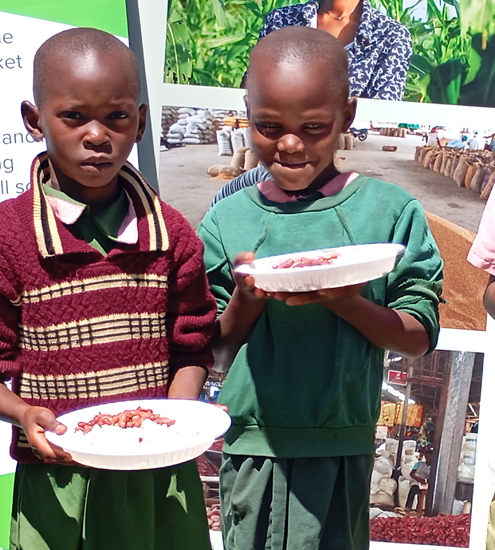
A new study published in Current Developments in Nutrition introduces the first detailed, replicable method for estimating how many people consume biofortified food. This approach provides governments and national partners with a practical and cost-effective way to track the progress, reach, and coverage of biofortified food. HarvestPlus uses this methodology to track the progress of its programs in the countries where it operates.
Learn More
Delivery and Scaling Now Led by HarvestPlus Solutions
HarvestPlus Solutions is our global partner dedicated to delivering and scaling HarvestPlus, CGIAR, and other innovations that can transform food systems into more resilient and nutritious.
Learn MoreNews & Insights
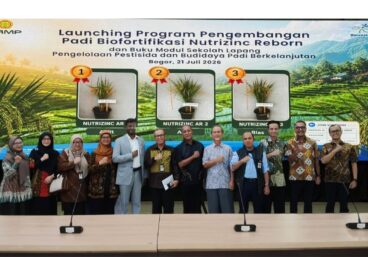
Indonesia Launches Three New Biofortified Rice Varieties to Help Tackle Malnutrition
August 31, 2026
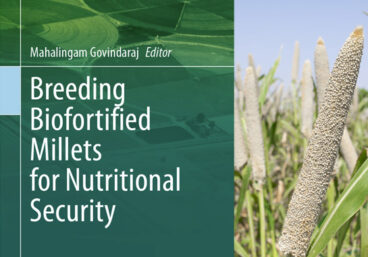
New Springer Volume Showcases Advances in Biofortified Millets for Global Nutrition
August 3, 2026
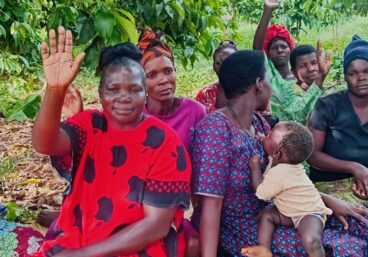
Women Farmers Championing Family Nutrition and Income in Uganda
April 28, 2026
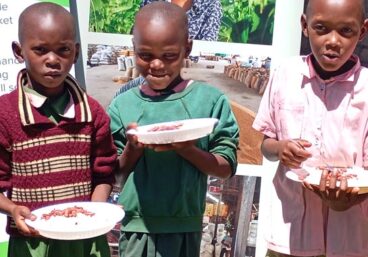
A New Innovative Tool to Track the Progress of Biofortification Programs
April 16, 2026
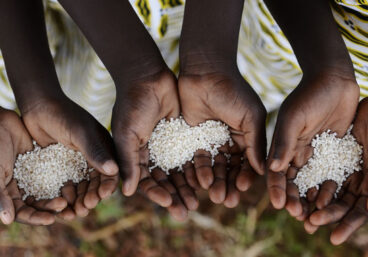
Unlocking Zinc Nutrition: New Evidence Strengthens the Case for Biofortified Crops
March 31, 2026
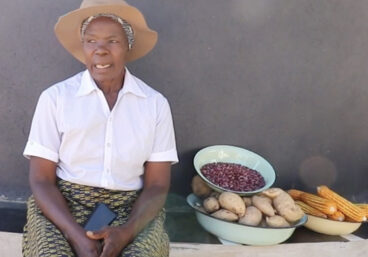
Equality by Design: How Collective Action Across Food Systems Is Empowering Women
March 3, 2026
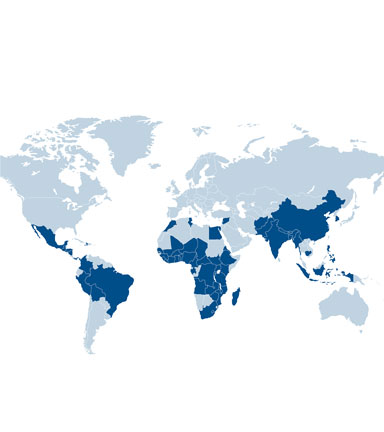
Biofortified Crops Around the World
Explore the Global Reach map to see where hundreds of CGIAR/HarvestPlus biofortified varieties are released or in testing.
Go to Map
The Biofortification Hub
A one-stop shop for tools, resources, and information to support action and innovation by implementers, policymakers, donors, and researchers.
Visit the Hub
Expanding Nutrients in Food Systems
To improve nutrition security and increase women’s income, over 11 million vulnerable women, men, and children across Bangladesh, India, Pakistan, Uganda, and Zimbabwe will access biofortified crops and be empowered with agronomic and entrepreneurial skills through this Government of Canada funded project.
Learn More