Unlocking Zinc Nutrition: New Evidence Strengthens the Case for Biofortified Crops
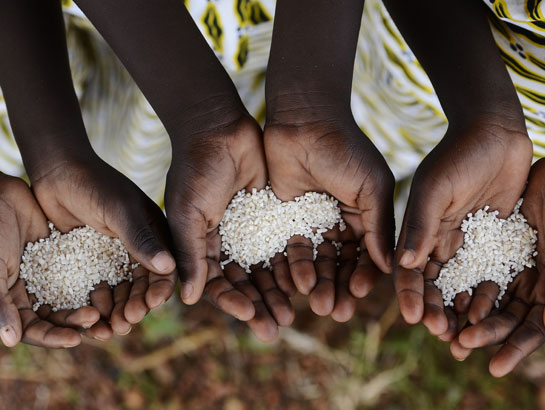
A recent study published on ScienceDirect, “Absorption of zinc from mixed diets containing biofortified rice,” provides important new evidence on the effectiveness of zinc-biofortified staple crops in improving nutrition outcomes. The research examines how the human body absorbs zinc from diets that include biofortified rice, offering insights that are highly relevant for global efforts to address micronutrient deficiencies.
The study shows that total absorbed zinc (TAZ) from diets containing zinc-biofortified rice is comparable to that from diets with conventional rice, even when the zinc content differs significantly. This finding confirms that increasing the zinc content of staple crops translates into greater zinc intake without negatively affecting overall nutrient absorption in mixed diets. In practical terms, it reinforces a simple but powerful conclusion: higher zinc levels in staple crops lead to more zinc being available for the body to use.
Zinc deficiency remains a serious public health concern, particularly in low- and middle-income countries. It is associated with weakened immune function, impaired growth and development in children, and increased vulnerability to infections. Because staples such as rice are consumed widely but typically contain low levels of essential micronutrients, they present a strategic opportunity for interventions like biofortification.
These findings strongly reinforce the approach championed by HarvestPlus. For years, HarvestPlus has led the development and dissemination of micronutrient-rich crops, including zinc-biofortified rice, wheat, and maize. This study adds to the growing body of evidence demonstrating that biofortified crops not only contain higher nutrient levels but also deliver those nutrients effectively within real-world diets.
Robust scientific evidence such as this helps build confidence among policymakers, investors, and private sector partners, supporting the case for wider adoption of zinc-biofortified varieties and increased investment in nutrition-sensitive agriculture.
More broadly, the study underscores a central principle of the HarvestPlus model: improving nutrition does not require major changes in dietary habits, but rather improvements in the nutritional quality of the foods people already consume. By enabling farmers to grow nutrient-rich varieties and consumers to access more nutritious staples, biofortification offers a practical and scalable pathway to better health outcomes.
As countries across Africa and Asia work to address hidden hunger, zinc-biofortified crops present a cost-effective and sustainable solution that can be integrated into existing food systems. For Kenya and similar contexts, this approach aligns closely with national priorities on food security, public health, and agricultural resilience.
Taken together, the evidence is clear. Biofortified crops are not only scientifically sound but also operationally viable at scale. Studies like this represent continued momentum toward a future in which staple foods contribute meaningfully to improved nutrition and well-being.