From Knowledge to Nutrition: What’s Driving the Uptake of High Iron Beans in Zimbabwe?
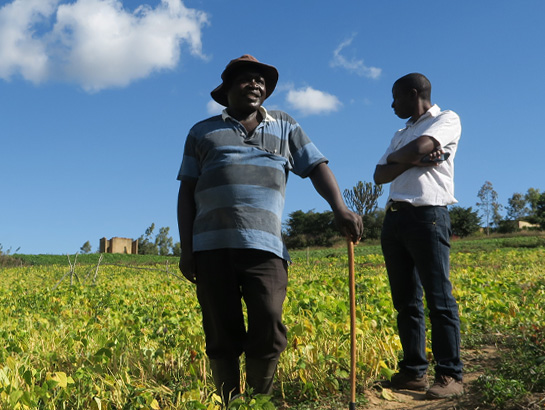
In Zimbabwe, iron deficiency remains a pressing public health issue, affecting 72 percent of children under five and 61 percent of women of childbearing age. As a result, iron-rich foods like biofortified beans are emerging as a promising solution to address hidden hunger and improve nutrition outcomes in vulnerable populations.
A recent study conducted by researchers from Michigan State University, IFPRI, HarvestPlus, and the Alliance of Bioversity International and CIAT sheds light on what motivates or hinders Zimbabwean farmers from adopting iron beans, an innovation that could play a transformative role in public health and food security.
The research reveals a promising trend in iron bean adoption: awareness has steadily increased, with 45 per cent of farmers reporting knowledge of high iron beans by 2021, up from virtually none in 2015. This rise has been fueled primarily by peer-to-peer learning, with 62 per cent of farmers hearing about iron beans from fellow farmers.
However, adoption remains uneven. While some farmers are embracing iron beans, others face barriers that prevent them from taking up the crop or continuing its cultivation.
Why Farmers Adopt—or Don’t
The study dives into the key drivers of adoption, with factors like improved health benefits, higher yields, and better cooking qualities cited by adopters. In contrast, the main barrier to adoption is lack of access to seeds: 42 per cent of non-adopters rely on their own farm-saved seed, whereas adopters are more likely to obtain seeds from other farmers, agro-dealers, or certified suppliers. This highlights a gap in the seed delivery system that must be addressed for scale-up.
From Farm to Table
Adoption of iron beans does not stop at the farm gate. Bean consumption patterns among adopters reveal that nutrition-sensitive agriculture can influence dietary practices. Promoting iron beans thus contributes not only to better farm productivity but also to household nutrition, especially among women and children.
Looking Ahead
The findings point to clear actions for scaling up iron beans in Zimbabwe: strengthening farmer-to-farmer networks, improving access to seeds, engaging local suppliers, and increasing public awareness about the health benefits of iron beans.
As Zimbabwe continues to battle iron deficiency, iron beans offer a sustainable, food-based solution that is already gaining traction in farming communities. The key lies in understanding the motivations and barriers faced by farmers—and working with them to build resilient, nutrition-secure food systems from the ground up.